Fall Prep Tips to Protect Your Vehicle Before Cold Weather Hits
Fall in south-central Pennsylvania arrives fast. One week the trees along Route 30 are still green, and the next you are dealing with falling leaves, morning frost, and the first round of road salt warnings from PennDOT. Your vehicle's paint, clear coat, and finish are about to face four months of the most damaging conditions of the year.
The window to prepare your vehicle properly is narrow, and ceramic coating is the single most effective step you can take before winter arrives. It does more in one application than any combination of waxes and sprays can manage in a full season.
Here we walk you through what fall prep should look like, why timing matters, and how our team gets your vehicle ready.
What Winter Actually Does to Your Vehicle's Paint
Road salt is the biggest threat your paint faces all year. PennDOT applies millions of gallons of brine and salt each winter, and that material sticks to every surface it contacts. Left on your paint and undercarriage without a barrier, it accelerates oxidation and breaks down your clear coat.
According to the American Chemical Society, chloride-based road treatments are among the most chemically aggressive substances that regularly contact vehicle surfaces, and their corrosive effect on degraded clear coat is well documented.
Beyond salt, your paint deals with:
• Freeze-thaw cycles that expand water trapped in existing micro-scratches
• Tree sap and decomposing leaves that drop in fall and etch if left sitting
• Abrasive grit kicked up by other vehicles on wet roads
• Ice scraper contact on unprotected glass and painted surfaces
If your clear coat is already weakened from summer UV exposure, winter accelerates every problem that already exists.
Why Fall Is the Right Time for Ceramic Coating
Ceramic coating needs to bond to clean, contaminant-free paint to cure correctly. Fall gives us the temperature range and conditions where that bonding happens properly. The coating cures best between 50 and 80 degrees Fahrenheit, which is exactly what October and early November in York, PA deliver before temperatures drop too far.
Once temperatures drop below that range consistently, coating application becomes harder to control and the cure less reliable.
Getting your ceramic coating applied before winter means the protection is in place when your vehicle needs it most. You go into salt season protected, not recovering from it.
What Ceramic Coating Does That Wax Cannot
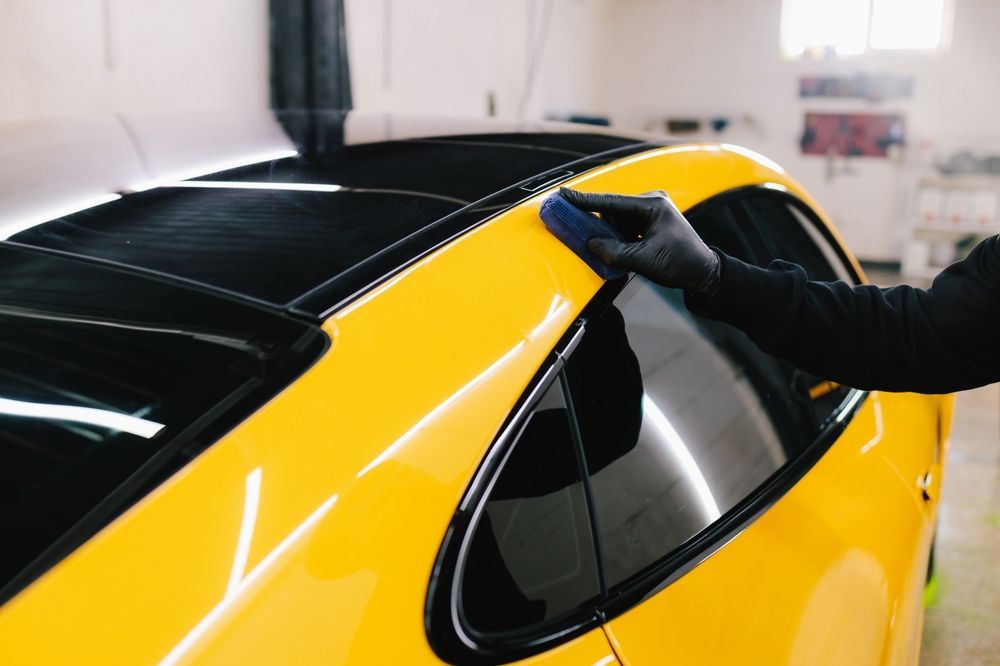
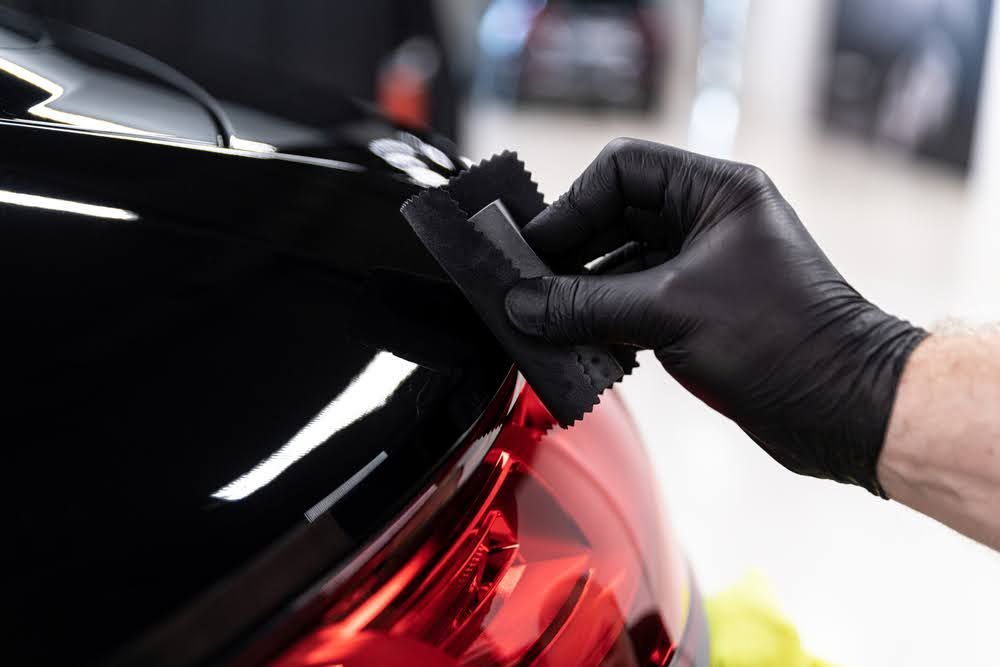
Wax sits on top of your clear coat and wears off. A wash or two in winter conditions and it is gone. Ceramic coating bonds chemically to your clear coat and becomes part of the surface. It does not wash off, and it does not break down from road salt contact the way wax does.
What our ceramic coating gives your vehicle going into winter:
• A hydrophobic surface that causes water, salt spray, and road grime to bead and sheet off
• Chemical resistance against the chloride-based treatments on Pennsylvania roads
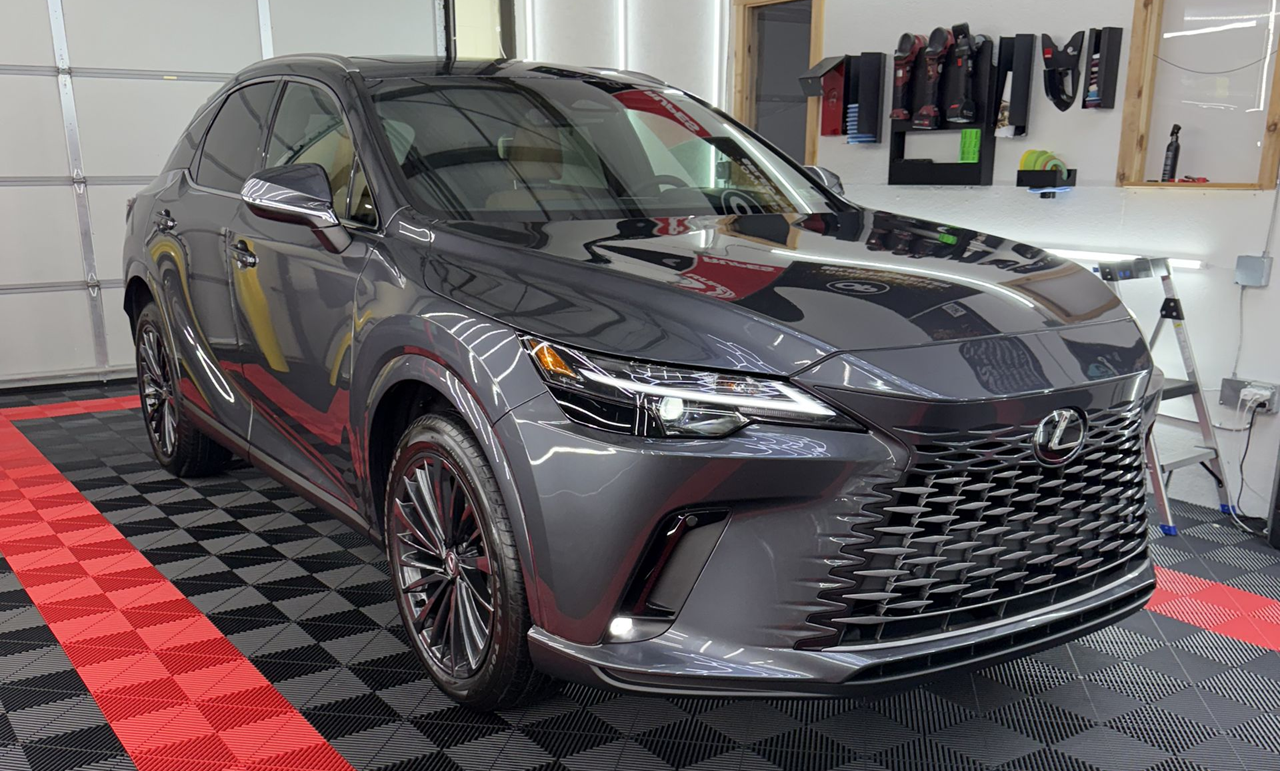
• UV protection that carries your finish through to spring without oxidation
• A surface that is easier to wash and requires less effort to keep clean all season
You can see what our ceramic coating service includes on our service page.
The Right Order: Correction Before Coating
Ceramic coating locks in whatever condition your paint is in at the time of application. If your clear coat has summer swirl marks, water spots, or oxidation, the coating seals those in place. Our fall prep process starts with a thorough inspection of your paint under controlled lighting. If we find damage that needs to be addressed, we complete the paint correction first. Then the coating goes on over a clean, corrected surface.
If your vehicle came through summer with significant UV damage or oxidation, our paint correction service handles that before we apply any protective layer. Correction first, coating second. That sequence is the only one that makes sense.
What Our Fall Prep Inspection Covers
When you bring your vehicle in before winter, here is what our team checks:
• Clear coat condition and correction need across all panels
• Existing water spots or etching from summer that correction can address
• Paint protection film condition on any panels where it was previously installed
• Wheel and undercarriage condition that may need attention before salt season
We give you a straight answer. No upselling, no pressure.
Other Fall Prep Steps Worth Doing
Paint Protection Film on High-Impact Zones
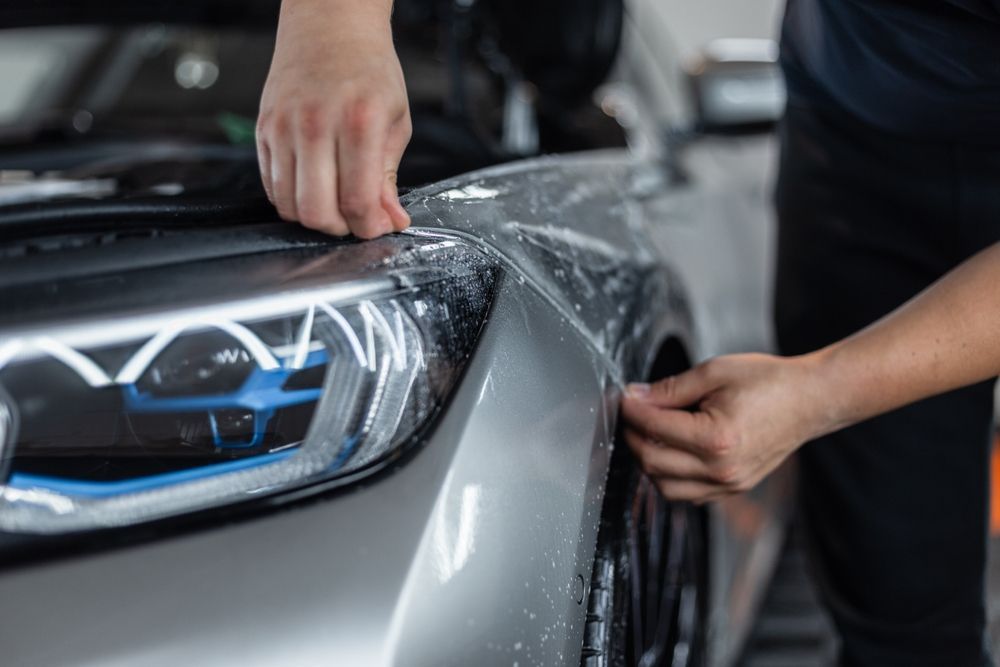
If your vehicle does not already have paint protection film on the hood, front bumper, and mirrors, fall is a good time to add it. These panels take the most road debris impact during winter driving. PPF gives those surfaces a physical barrier that ceramic coating alone cannot provide.
Decontamination Wash Before Any Coating
Before we apply any ceramic coating, your vehicle goes through a full decontamination process. This includes a full wash, iron fallout removal, and a clay bar treatment to pull bonded contaminants from the surface. Your paint has to be completely clean before the coating bonds.
Get Your Vehicle Ready Before the First Frost
The time between now and York's first consistent freeze is shorter than most people think.
We serve York, PA and the surrounding areas including Hanover, Lancaster, and Harrisburg. Our fall prep schedule fills up in October, so booking early gives you the best chance of getting your vehicle protected before conditions change.
Call us at (717) 479-0479 to schedule your fall prep appointment or ask about our ceramic coating packages. We will inspect your vehicle, tell you exactly what it needs, and get it ready for whatever this winter brings.
Frequently Asked Questions
Is fall a good time to get ceramic coating applied?
Yes. Fall is one of the best times to apply ceramic coating because temperatures in the 50 to 80 degree range support proper bonding and curing. More importantly, getting your coating applied before winter means your vehicle enters salt season already protected rather than reacting to damage after the fact.
How long does ceramic coating last through winter conditions?
A professionally applied ceramic coating typically lasts two to five years or longer depending on the product tier and how the vehicle is maintained. It is designed to withstand road salt, chemical exposure, and the freeze-thaw conditions of a Pennsylvania winter without breaking down the way wax does.
Does my car need paint correction before ceramic coating?
If your paint has swirl marks, oxidation, or water spot etching, yes. Ceramic coating bonds to whatever surface it is applied to. Correcting your paint first means the coating locks in a clean, restored finish rather than sealing existing damage in place. Our inspection tells you whether correction is needed before we proceed.
Can ceramic coating be applied in cold weather?
Application becomes unreliable below 50 degrees Fahrenheit. The coating does not bond or cure as well in cold conditions, which affects its durability and appearance. This is one of the main reasons fall, specifically October and early November in the York area, is the ideal window before winter sets in.
What does ceramic coating protect against in winter?
Our ceramic coating creates a chemical barrier that resists road salt, brine, and de-icing treatments. It makes your surface hydrophobic so water and salt spray bead off rather than sitting on the paint. It also resists the UV exposure that continues even in winter months, protecting your clear coat through the full season.
Should I get paint protection film and ceramic coating before winter?
Using both gives your vehicle the most complete protection available. Paint protection film covers your highest-impact panels physically, absorbing rock chips and road debris that a coating cannot stop. Ceramic coating covers the rest of the vehicle with chemical resistance and hydrophobic properties. Together they give your paint complete coverage going into winter.
How do I maintain a ceramic-coated vehicle through winter?
Regular washing is the most important step. Salt and road grime should not be allowed to sit on the coating for extended periods. A pH-neutral car wash soap and a clean microfiber mitt are all you need. Avoid brush-style automatic washes. The coating makes maintenance easier because contaminants release more readily from the surface, so a proper hand wash takes less effort than it would on an unprotected vehicle.
About the Author
Taylor Claubaugh | Owner, TC Detailing & Coatings
York, PA | Automotive Detailing & Vehicle Care Expert
Taylor Claubaugh is the owner of TC Detailing & Coatings, serving York, Pennsylvania and the surrounding areas with a strong commitment to quality and consistency. He built the business with a focus on doing things the right way, delivering detail-oriented work that helps maintain and enhance the condition of every vehicle. Taylor takes pride in ensuring each job is handled with care, precision, and a high standard from start to finish.
With a hands-on approach, Taylor stays involved in the day-to-day operations to ensure every vehicle receives the attention it deserves. He focuses on creating a reliable experience through clear communication and dependable service. Through TC Detailing & Coatings, Taylor continues to provide automotive care that helps protect long-term value while delivering results clients can trust.