Why Surface Protection Is Essential for Cars in York, PA
Your car's paint is exposed to something damaging every single day. It does not matter how carefully you drive or how often you wash it. The roads around York, PA have their own agenda, and without a physical barrier between your clear coat and the outside world, your finish absorbs every bit of it.
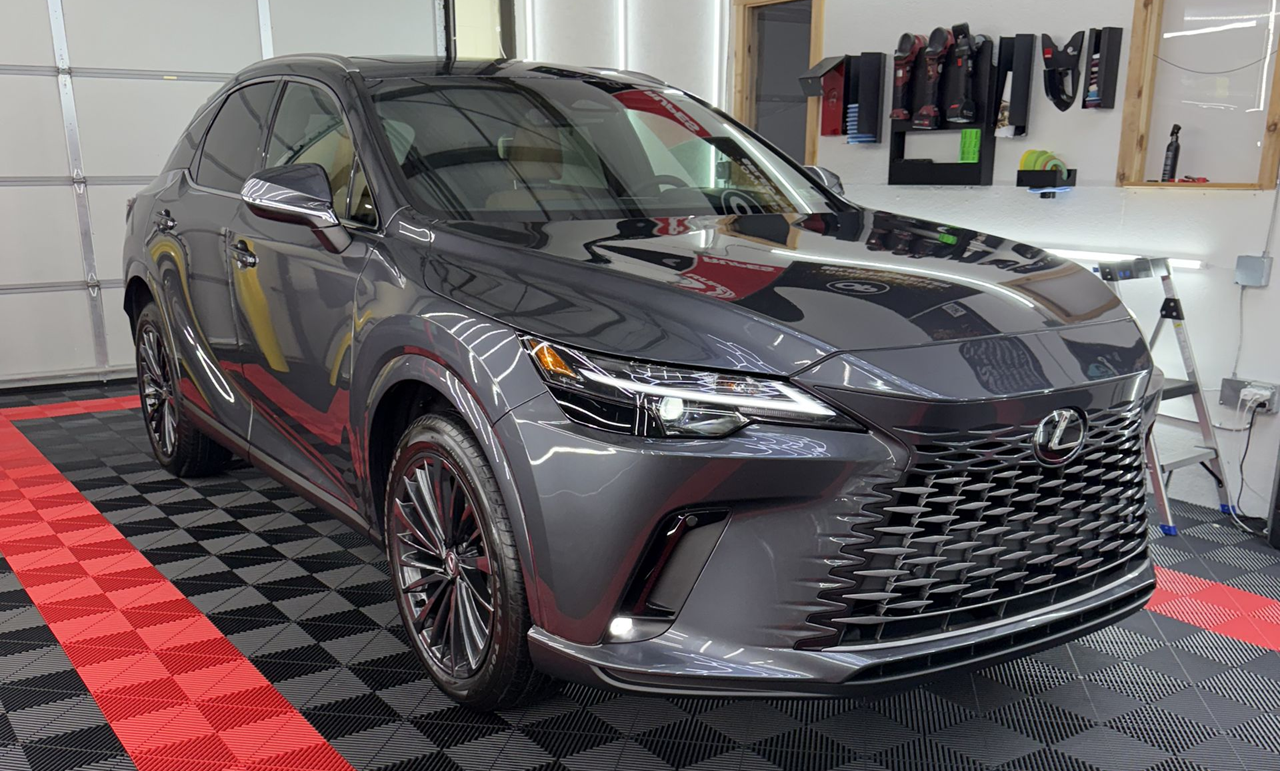
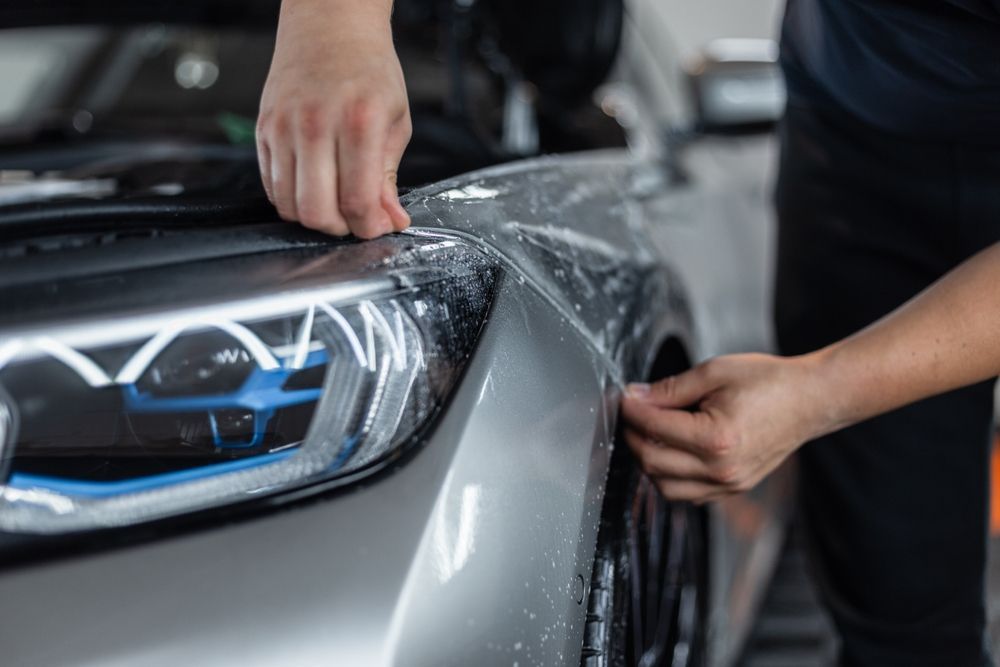
PPF, short for paint protection film, is that barrier. It is a clear thermoplastic urethane film applied directly over your paint to absorb rock chips, road debris, chemical etching, and UV exposure before any of it reaches your vehicle's surface. One application, installed correctly, changes what your paint has to deal with every day.
Here, we cover why surface protection matters in York, what PPF does that other products cannot, and how our installation process works.
What York PA Roads Do to Your Paint
York sits at the intersection of several high-traffic corridors. Route 30 and I-83 funnel commercial trucks, construction traffic, and commuters through the area year-round. That kind of road mix means constant exposure to loose gravel, road debris, and the kind of fine grit that pits clear coats over time.
Winter makes it worse. PennDOT's salt and brine coat your lower panels, rocker areas, and front end with corrosive material during every drive. The front bumper and hood absorb chips and chemical contact that stack up season after season.
Summer adds sap and organic fallout from the tree cover throughout York County onto paint already softened by heat. A hood in direct sun on a 90-degree day is more vulnerable to anything that lands on it.
According to SAE International, road debris impact is the leading cause of cosmetic paint damage on passenger vehicles in the US, with highway and mixed-traffic roads contributing disproportionately to chip frequency.
What PPF Does That Other Products Cannot
Ceramic coating, wax, and sealants protect your paint chemically. What they cannot do is absorb physical impact. A rock chip at highway speed carries enough force to cut through any chemical coating and into your clear coat beneath it.
PPF is a physical barrier, typically 6 to 8 mils thick, that sits between your paint and whatever hits it. It absorbs the impact that a coating cannot deflect.
Self-Healing Properties
Premium PPF products have a top coat layer with self-healing properties. Minor surface scratches in the film disappear with heat from the sun or warm water. The film's surface reforms and your paint underneath is never involved.
UV Resistance
PPF blocks UV at the film level before it reaches your clear coat. In York summers, your hood and roof absorb direct UV for hours at a time. The film slows the degradation that causes hazing and oxidation over years of exposure.
Chemical Protection
Bird droppings, tree sap, and road salt all contact the film surface first. Quality PPF resists chemical etching better than bare clear coat. A bird dropping in summer heat can etch an unprotected clear coat within hours. The film gives you a much wider window to rinse it off.
You can see the full scope of what our PPF installation service covers, including the panel options we offer, on our service page.
Where PPF Makes the Most Difference on Your Vehicle
You do not have to wrap your entire vehicle to get meaningful protection. Most of our clients choose targeted coverage on the panels that face the highest risk.
The areas that benefit most from PPF on York-area roads include:
• Full hood, which takes the most rock chip and debris impact from highway driving
• Front bumper, the first contact point for road spray, salt brine, and low-flying debris
• Side mirrors, which are exposed to wind-driven grit from both directions
• Rocker panels and door edges, where road spray and parking lot contact are constant
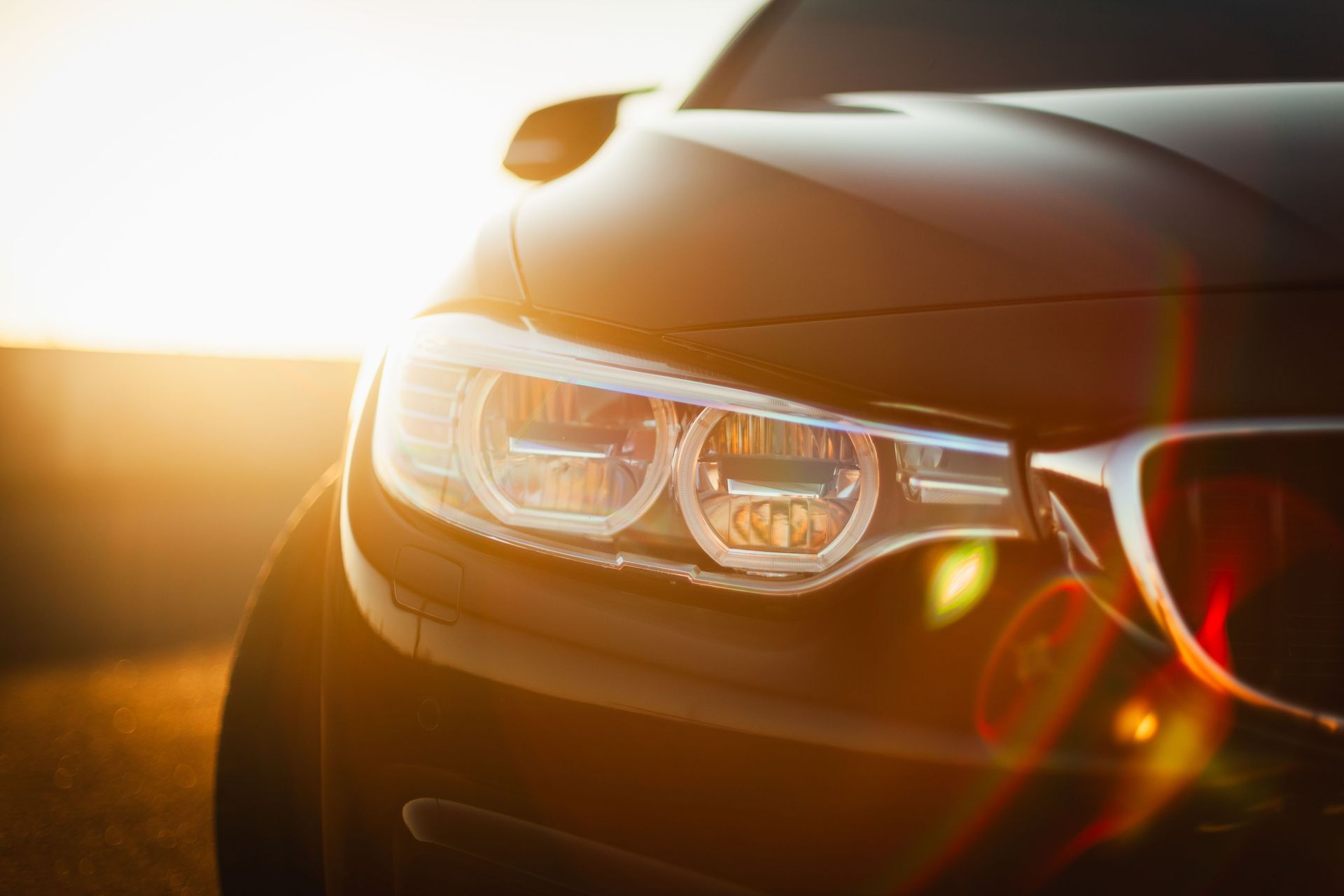
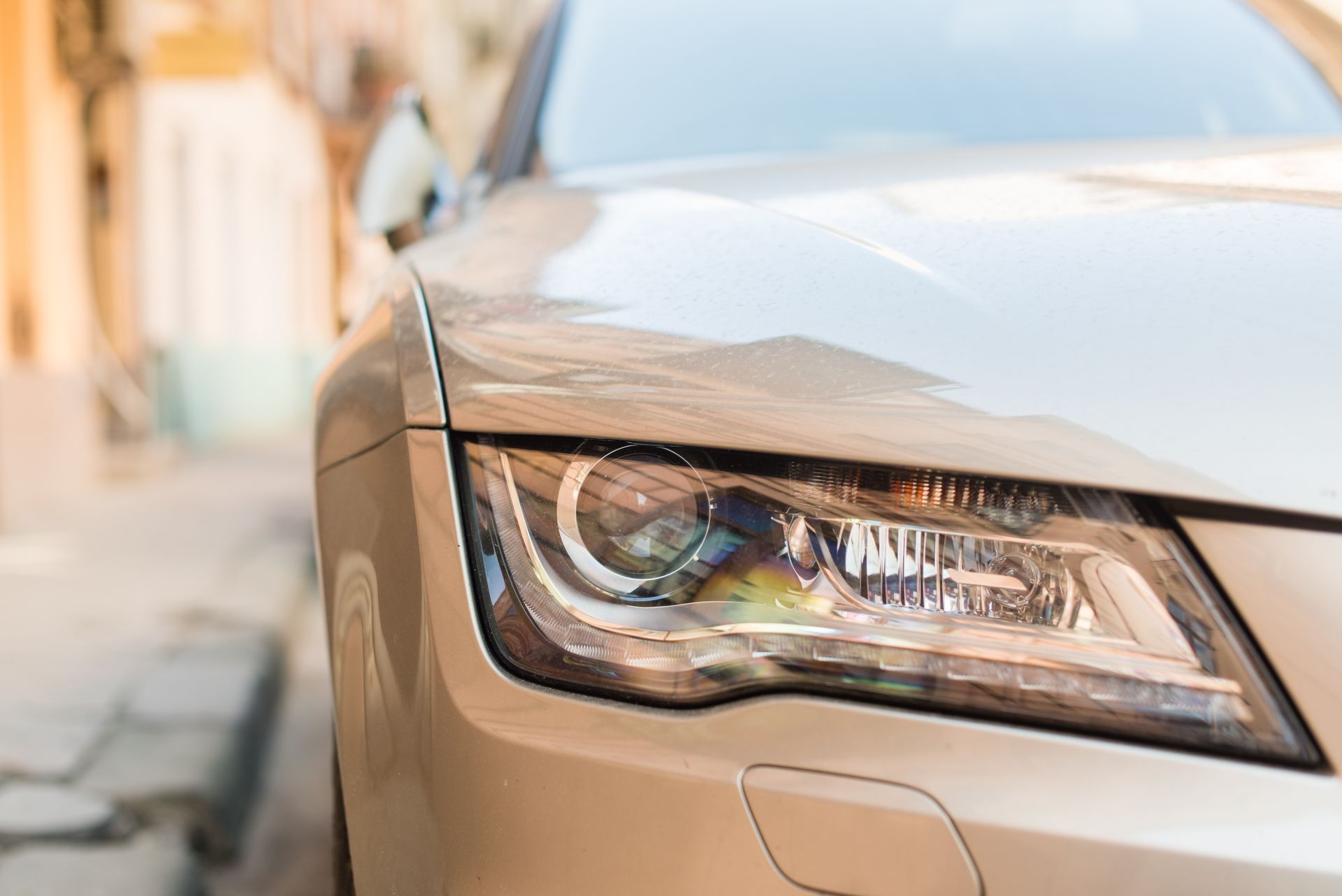
• Headlights, which yellow and haze from UV exposure without protection
Partial coverage on the front clip is what most daily drivers in our area choose. It protects the highest-risk surfaces at a more accessible cost.
Our PPF Installation Process in York, PA
Paint Inspection and Correction First
PPF seals in whatever is on your paint at the time of installation. If your clear coat has swirl marks, oxidation, or water spot etching, the film goes on over all of it. Our process starts with a full paint inspection under controlled lighting. If your paint needs work before the film goes on, we handle paint correction first. Correction before film installation is the only way to ensure your paint looks right once the film is in place.
Precise Film Cutting and Application
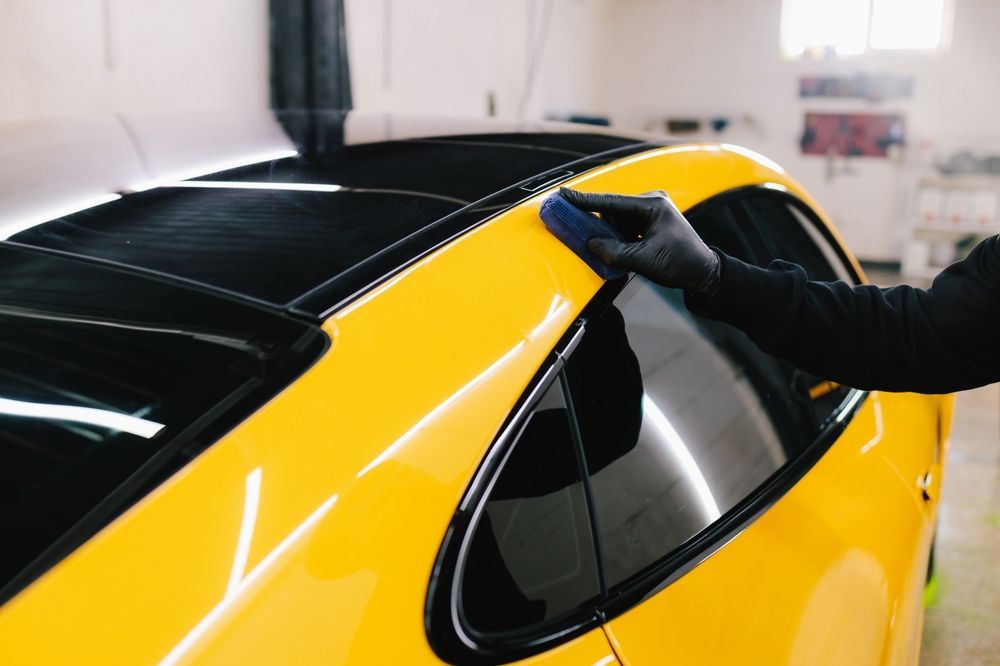
We use software-cut film patterns sized to your specific vehicle's panels, giving you clean edges that sit flush with your trim lines. Imprecise cutting is the main reason PPF looks obvious or peels early.
Cure Time and What to Expect
After installation, your vehicle needs time for the film adhesive to fully bond to your paint. We walk you through what to avoid during that window and what a normal appearance looks like while the film settles. Slight haziness in the first few days is normal and resolves as the film cures.
Give Your Paint the Protection York Roads Demand
If your vehicle is a daily driver on York-area roads, your paint is absorbing damage every time you drive. PPF is the only product that puts a physical barrier between your clear coat and what the road sends at it.
We serve York, PA, and surrounding areas including Hanover, Lancaster, and Harrisburg. Every installation starts with an honest inspection so you know exactly what your vehicle needs.
Call us at (717) 479-0479 to schedule your PPF consultation or get a quote. We will walk you through your coverage options and put together a plan that fits your vehicle and your budget.
Frequently Asked Questions
What is PPF and how does it protect my car?
PPF, or paint protection film, is a clear thermoplastic urethane film applied over your vehicle's painted surfaces. It absorbs physical impact from rock chips and road debris, resists chemical etching from bird droppings and road salt, and blocks UV radiation before it reaches your clear coat. It provides physical protection that ceramic coating and wax cannot offer.
How long does PPF last on a vehicle in York, PA?
Quality PPF installed correctly typically lasts five to ten years depending on the product tier, installation quality, and how the vehicle is maintained. Most professional-grade films come with a manufacturer warranty covering yellowing, cracking, and delamination. Proper washing and avoiding harsh chemicals extend the life of your film significantly.
Does PPF need to go on before or after ceramic coating?
PPF goes on first. Once the film is installed and cured, ceramic coating can be applied over the film surface and across the rest of the vehicle. The coating adds hydrophobic and chemical resistance properties on top of the physical protection the film already provides. Applying PPF over an existing ceramic coating is also possible but requires surface preparation specific to that situation.
Will PPF change the look of my paint?
Quality PPF is optically clear and nearly invisible once properly installed. High-gloss film enhances the depth of your paint's finish. Matte PPF is also available if you want to change or preserve a matte factory finish. Improperly installed film can show edges or haziness, which is why precise cutting and application matter.
Can PPF be removed without damaging my paint?
Yes. Professional-grade PPF is designed to be removable without damaging your clear coat when removed correctly. The adhesive is formulated to bond to paint without etching into it. Removal is typically done with heat to soften the adhesive, followed by careful peeling. We do not recommend DIY removal, as improper technique can pull a clear coat on older or already-compromised paint.
Do I need paint correction before getting PPF installed in York, PA?
If your paint has existing swirl marks, water spots, or oxidation, yes. PPF seals in whatever condition your paint is in at the time of installation. Correcting the paint first means the film goes on over a clean, restored surface. We inspect your paint before any installation and let you know honestly whether correction is needed.
Should I get PPF or ceramic coating on my car?
The two products serve different purposes. PPF provides physical impact protection that a coating cannot. Ceramic coating provides chemical resistance and hydrophobic properties across all painted surfaces. For the most complete protection, we recommend PPF on your highest-risk panels with ceramic coating applied over the film and across the rest of your vehicle.
About the Author
Taylor Claubaugh | Owner, TC Detailing & Coatings
York, PA | Automotive Detailing & Vehicle Care Expert
Taylor Claubaugh is the owner of TC Detailing & Coatings, serving York, Pennsylvania and the surrounding areas with a strong commitment to quality and consistency. He built the business with a focus on doing things the right way, delivering detail-oriented work that helps maintain and enhance the condition of every vehicle. Taylor takes pride in ensuring each job is handled with care, precision, and a high standard from start to finish.
With a hands-on approach, Taylor stays involved in the day-to-day operations to ensure every vehicle receives the attention it deserves. He focuses on creating a reliable experience through clear communication and dependable service. Through TC Detailing & Coatings, Taylor continues to provide automotive care that helps protect long-term value while delivering results clients can trust.