How Winter Road Salt in York Affects Your Vehicle's Exterior
By late January, most cars around York look the same: a gray haze on the doors, white streaks along the rocker panels, and a film on the glass that comes back an hour after you wipe it. That film is dried road salt, and it does more than make your car look dirty. If you have been researching ‘PPF York PA’, winter is the clearest reason to take it seriously.
Salt does not wear down healthy paint on its own. It speeds up whatever is already going wrong, especially at chips and scratches. Here we explain where salt does its damage, which parts of your car take the worst of it, and where paint protection film fits.
What Road Salt Actually Does to Your Car
Pennsylvania treats its roads aggressively. PennDOT reports using 12.6 million gallons of salt brine in the 2021-22 season, and it spreads rock salt mixed with crushed limestone for traction.
York County sees its share. FOX43 reported that county crews sprayed about 650,000 gallons of brine during the 2014-15 winter, more than any winter on record at that point.
Salt water conducts electricity well, and that speeds up corrosion wherever bare metal is exposed. On intact paint, salt is mostly a cosmetic nuisance. On a chip, it is where rust begins.
The Grit Matters as Much as the Salt
The limestone mixed into the salt is abrasive. Tires throw it at your hood, front bumper, and lower doors. Every hit is a chance for a chip, and once a chip breaks through the clear coat, salt water sits in it through every freeze and thaw.
Where Winter Damage Shows Up First
Driving I-83 or Route 30 at highway speed puts the front of your car in the line of fire. These are the areas that suffer most:
• Front bumper and hood, which take the most thrown grit
• Rocker panels and lower doors, hit by spray from your own tires and the cars ahead
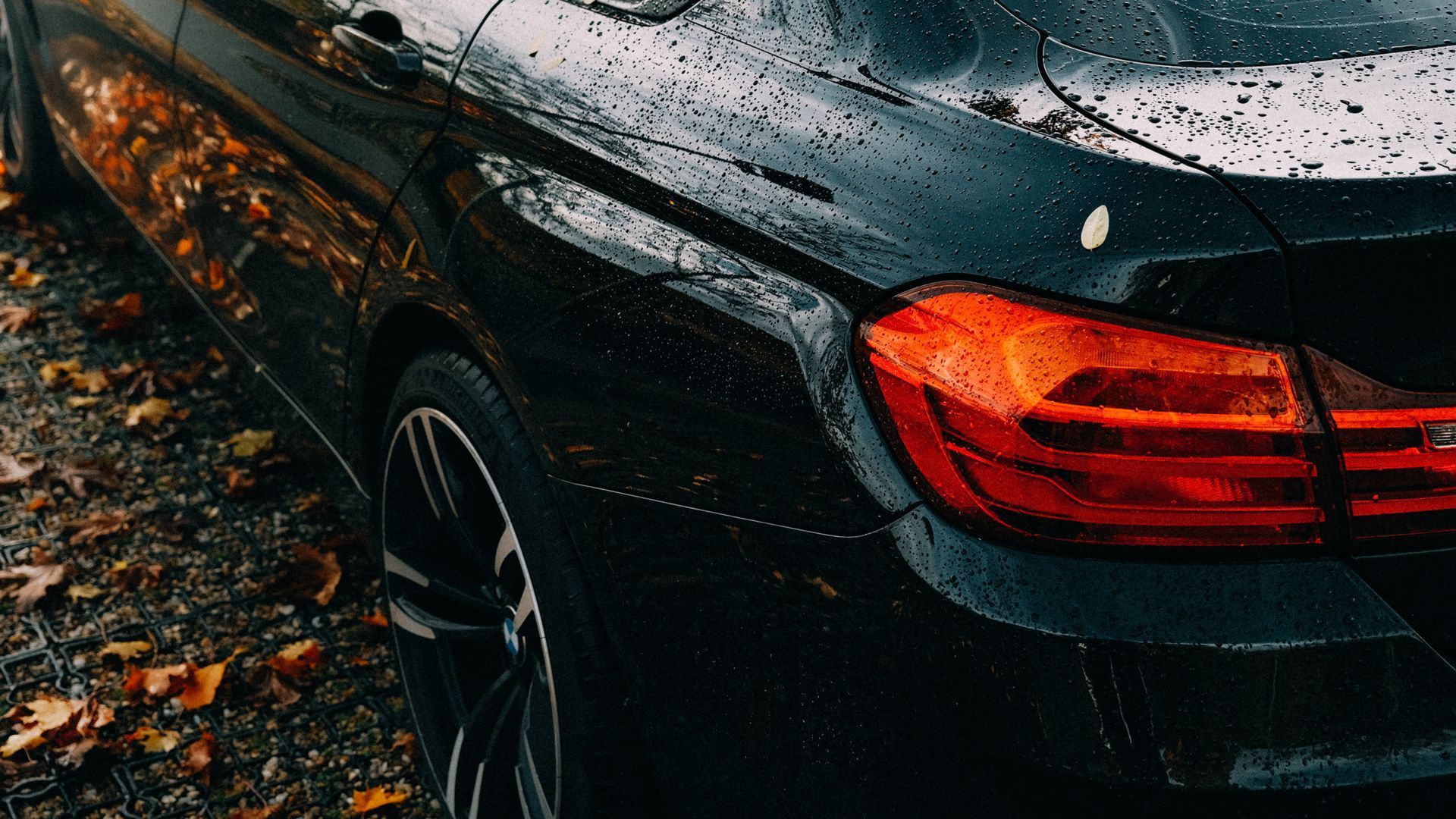
• Fender lips and wheel arches, where wet salt collects and stays damp
• Door edges, where paint is thinnest and salt crust builds up
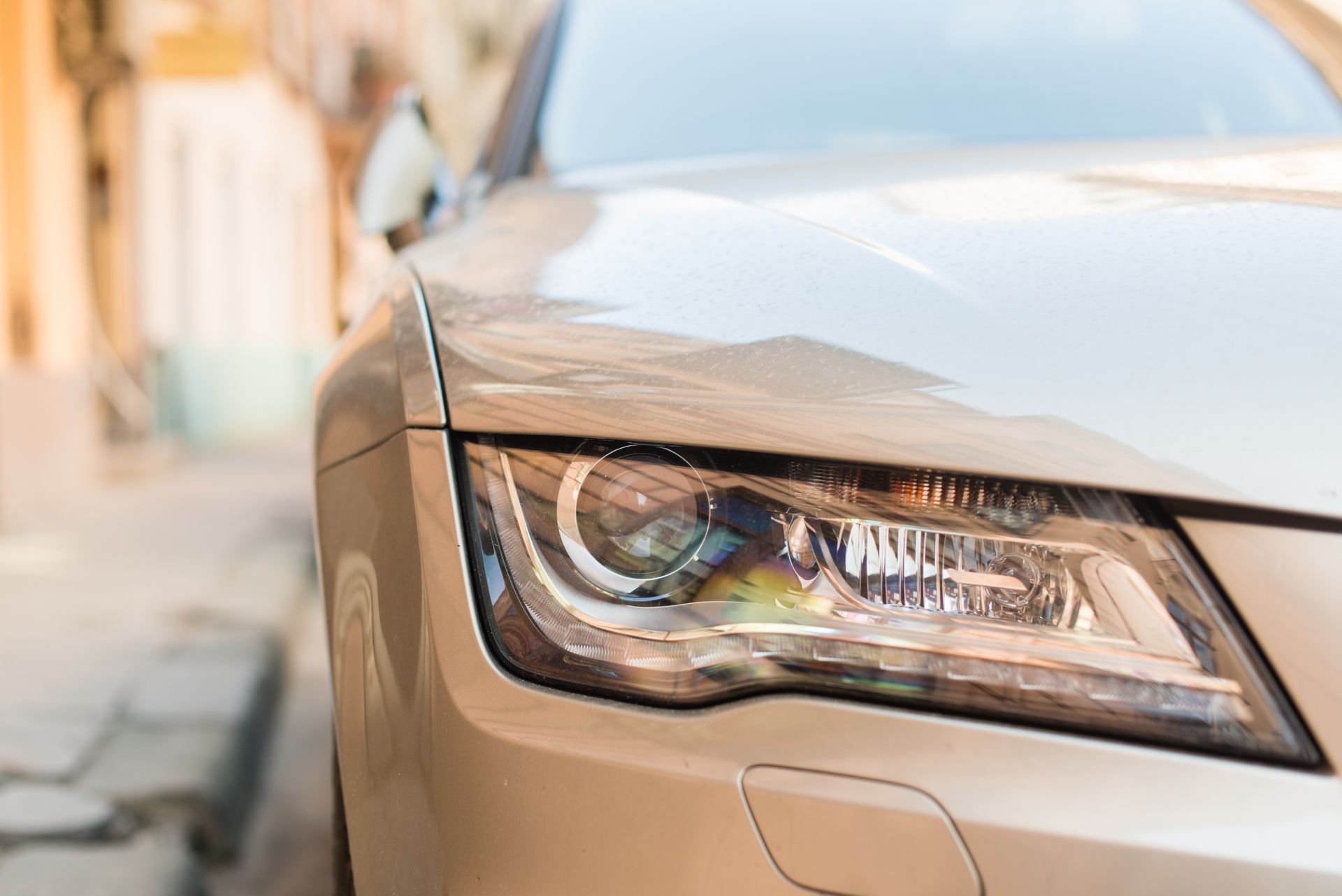
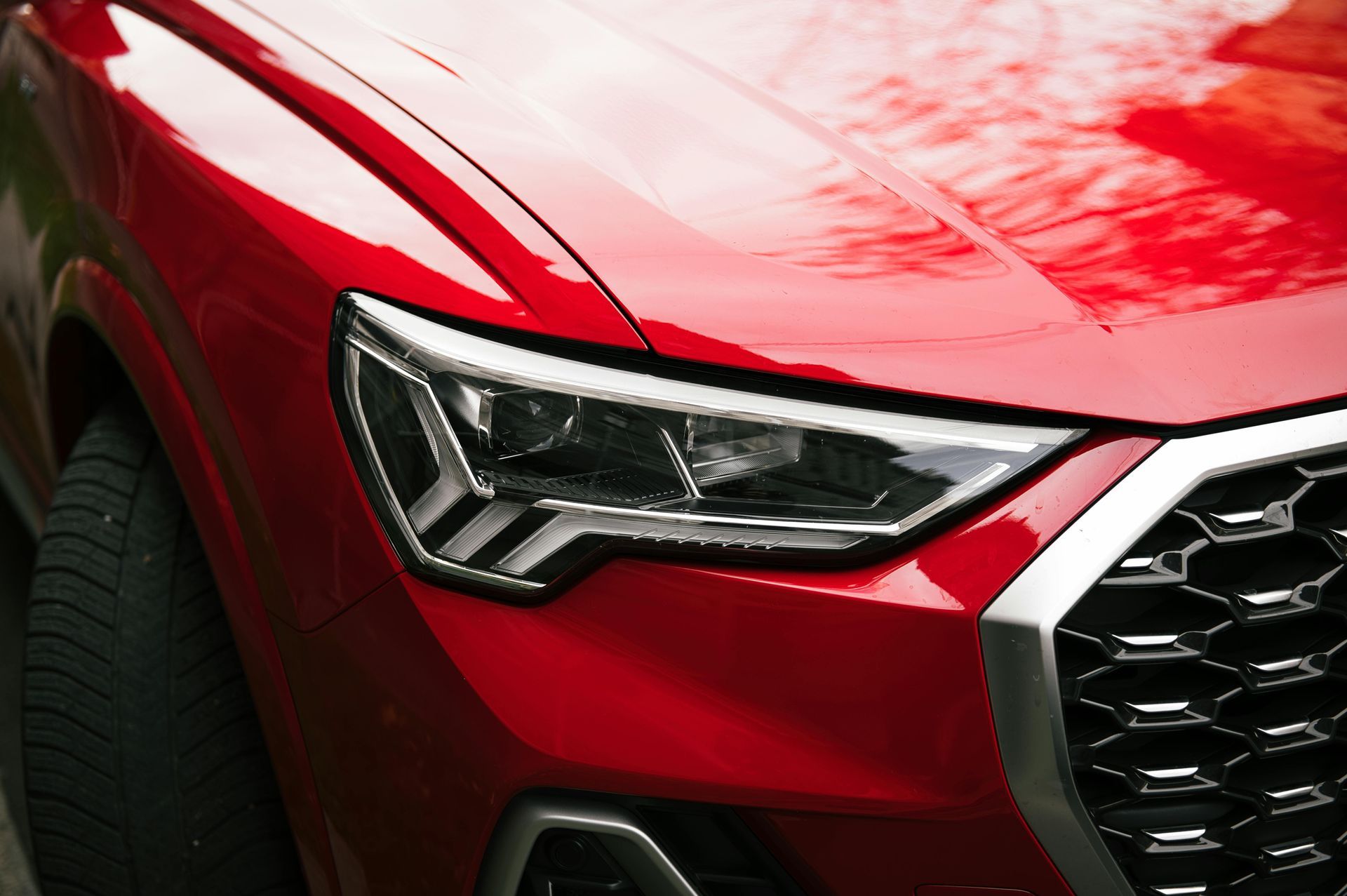
• Headlights, which pit from constant grit
Most of this damage is invisible in January. You find it in April, when the salt is gone and the chips have turned into rust spots.
Why Winter Washing Is Not Enough on Its Own
Rinsing salt off matters. Do it every week or two, and after any storm that brings treated roads, when temperatures are above freezing so your doors and locks do not ice shut. Hand wash or use a touchless wash. Brush-style washes drag salty grit across your paint.
But washing cleans the salt off. It cannot stop the next chip. That is the gap PPF closes.
How Paint Protection Film Protects Against Salt and Grit
Paint protection film is a clear urethane layer installed over your paint. When a stone hits, it hits the film, not your clear coat. Most chips never reach the paint, so salt water has nothing to get into.
Light scratches in the film's surface can disappear with heat from the sun or warm water. Our PPF installation service covers the panel options in detail.
Where We Recommend Film for York Winters
For most daily drivers, we start with the front end: full hood, bumper, fenders, and mirrors. Rocker panels are worth adding if you commute on salted highways. A full wrap is an option, but it is not required to get real protection.
What Film Does Not Do
Film does not protect your undercarriage, and it does not replace washing. We tell you that up front. What it does is keep the most exposed painted panels from getting chipped in the first place.
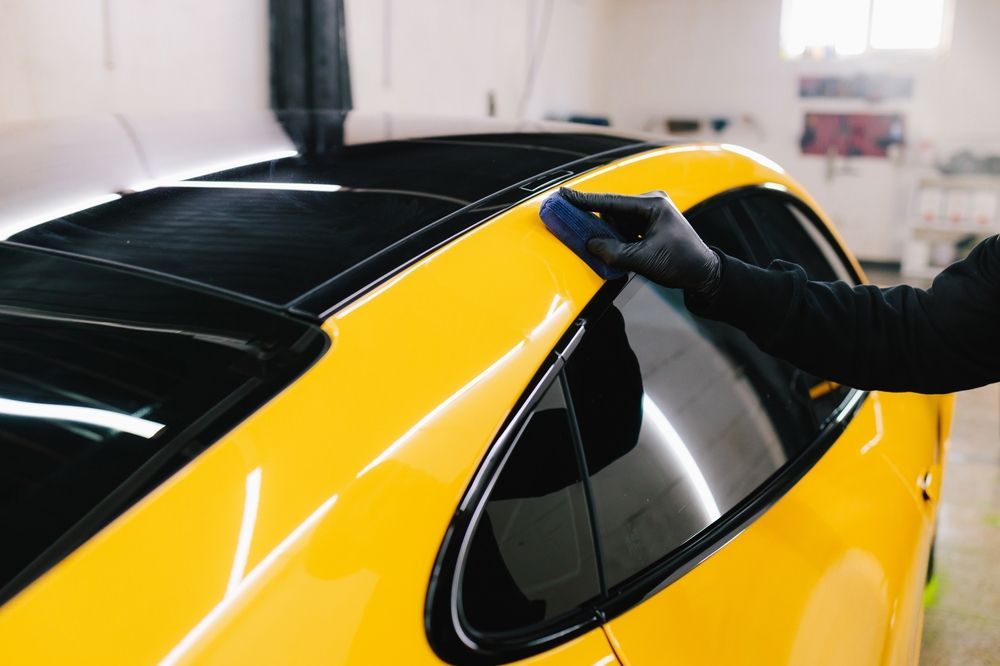
A ceramic coating over the film and the rest of your paint adds a slick surface, so salt residue releases more easily when you rinse.
The Right Time to Install PPF Before Salt Season
Film should go on before the first treated roads, not after the damage starts. If your paint already has swirl marks or last winter's chips, we address those first, because film seals in whatever is underneath it.
We start every job with an honest look at your paint, so you know what it needs before we touch it.
Get Ahead of Salt Season in York
We serve York, PA, and the surrounding areas, including Hanover, Lancaster, and Harrisburg. Call us at (717) 479-0479 to schedule a PPF consultation or ask about coverage options for your vehicle. Visit our website to learn more about our services.
Frequently Asked Questions
Does road salt damage car paint?
Salt rarely harms healthy paint by itself, but it speeds up corrosion wherever a chip or scratch exposes metal. The abrasive grit spread with it also causes the chips that give salt a way in.
How do York, PA drivers install protection against road salt?
Paint protection film absorbs the impact of thrown grit and stones, so chips are far less likely to form on the panels it covers. With fewer chips, there are fewer places for salt water to start corrosion.
Is PPF worth it for a daily driver in York, PA?
It is worth considering if you commute on I-83 or Route 30, where the front of your car takes steady grit and spray. Most daily drivers get the best value from coverage on the hood, bumper, fenders, and mirrors.
When is the best time to get PPF in York PA?
Before the salt season starts. Film installed ahead of the first treated roads protects your paint from the start of winter. Call us at (717) 479-0479 to check availability.
How often should I wash my car in winter?
Every week or two, and after storms that bring heavy road treatment, as long as temperatures are above freezing. Use a hand wash or touchless wash rather than a brush-style automatic wash.
Does PPF cover the whole car or only some panels?
Either. Many clients choose the front end, which takes the most damage. Full coverage is available if you want every painted panel protected.
Do I still need ceramic coating if I have PPF?
They do different jobs. Film absorbs physical impact. Ceramic coating adds a slick, easy-to-clean surface. Many owners use both, with coating applied over the film and the rest of the paint.
About the Author
Taylor Claubaugh | Owner, TC Detailing & Coatings
York, PA | Automotive Detailing & Vehicle Care Expert
Taylor Claubaugh is the owner of TC Detailing & Coatings, serving York, Pennsylvania and the surrounding areas with a strong commitment to quality and consistency. He built the business with a focus on doing things the right way, delivering detail-oriented work that helps maintain and enhance the condition of every vehicle. Taylor takes pride in ensuring each job is handled with care, precision, and a high standard from start to finish.
With a hands-on approach, Taylor stays involved in the day-to-day operations to ensure every vehicle receives the attention it deserves. He focuses on creating a reliable experience through clear communication and dependable service. Through TC Detailing & Coatings, Taylor continues to provide automotive care that helps protect long-term value while delivering results clients can trust.