Why Interior Auto Detailing Is the Key to a Cleaner, More Comfortable Drive

Taylor Clabaugh • December 28, 2024

You might not realize how much your vehicle's interior impacts your daily drive, but it does. A thorough interior auto detailing can transform your car into a cleaner, more inviting space, enhancing both air quality and comfort. By tackling hidden dust and allergens, you create a healthier environment for yourself and passengers. Plus, a well-kept interior reduces distractions, making each trip more enjoyable. But what are the specific benefits of regular detailing, and how can you choose the right service to maximize these advantages?


Key Takeaways

  • Interior auto detailing removes dust, dirt, and allergens, improving air quality for a healthier driving environment.
  • Regular detailing prevents dirt buildup and unpleasant odors, ensuring a more inviting atmosphere for passengers.
  • A clean, organized interior reduces clutter, minimizing distractions and enhancing overall driving comfort.
  • Detailing protects upholstery and surfaces from wear and tear, preserving vehicle value and longevity.
  • Deep cleaning and sanitizing promote a safer driving experience by reducing harmful bacteria and pathogens.


Benefits of Interior Auto Detailing

Car interior auto detailing offers numerous benefits that go beyond mere aesthetics. When you invest in professional detailing, you're not just sprucing up your vehicle's interior; you're enhancing its overall value and longevity. Regular detailing helps maintain pristine interior aesthetics, ensuring that surfaces like upholstery, dashboards, and carpets remain in excellent condition.


By committing to a consistent detailing frequency, you'll prevent the buildup of dirt, grime, and stains, which can deteriorate materials over time.


Moreover, a well-maintained interior creates a more inviting atmosphere for you and your passengers. Imagine stepping into a car that smells fresh and looks immaculate. This attention to detail fosters a sense of pride and belonging, making every journey more enjoyable. Whether you're commuting to work or starting a weekend road trip, a clean interior can greatly enhance your driving experience.


Another advantage of regular detailing is the protection it offers against wear and tear. Professional detailers use specialized products designed to shield surfaces from UV rays and spills, prolonging the life of your vehicle's interior components.


Enhancing Air Quality

A clean vehicle interior considerably enhances air quality, creating a healthier environment for you and your passengers. When you invest in interior auto detailing in York PA, you're not just cleaning surfaces; you're removing dust, dirt, and pollutants that can accumulate over time. This meticulous process involves deep cleaning upholstery, carpets, and hard surfaces, which helps to eliminate foul odors and promote fragrant interiors.


Seasonal detailing is especially beneficial for maintaining ideal air quality. During spring, for instance, allergens like pollen can infiltrate your vehicle, making it essential to thoroughly clean and refresh your interior. By addressing these seasonal challenges, you guarantee that your car remains a sanctuary rather than a source of discomfort.


In addition to vacuuming and shampooing, interior detailing often includes the cleaning of air vents and the cabin air filter. This step is important for guaranteeing that the air circulating within your vehicle is clean and free of contaminants. When these components are neglected, they can harbor dust and bacteria, compromising the air quality and overall driving experience.


Moreover, utilizing quality cleaning products designed to neutralize odors rather than mask them contributes to a more pleasant environment. Opting for sustainable options can further enhance the air quality within your vehicle, making your drive not just more comfortable but also renewable.


Reducing Allergens and Bacteria

To effectively reduce allergens and bacteria in your vehicle, focus on eliminating dust accumulation and sanitizing upholstery and surfaces.


Regularly cleaning these areas not only enhances the interior's appearance but also greatly improves air quality.


Eliminating Dust Accumulation

Dust accumulation in your vehicle can greatly impact air quality, harboring allergens and bacteria that may affect your health. To combat this issue, you'll want to employ effective dust removal techniques that keep your car's interior clean and comfortable.


Start with regular vacuuming using a high-efficiency particulate air (HEPA) filter. This guarantees that you capture even the tiniest dust particles, which standard vacuums might miss. When vacuuming, focus on areas that often gather dust, like the floor mats, between seats, and around the dashboard.


Utilize specialized attachments to reach tight spaces and guarantee thorough cleaning. Additionally, consider using microfiber cloths for wiping down surfaces. These cloths effectively trap dust rather than just moving it around, enhancing your overall cleaning process.


Don't forget to clean air vents, as dust can accumulate there and circulate back into the cabin when the air is on.


Sanitizing Upholstery and Surfaces

Sanitizing upholstery and surfaces in your vehicle is essential for reducing allergens and bacteria that can compromise your health.


Over time, your car's interior can become a breeding ground for harmful pathogens, especially in areas that trap dust, dirt, and moisture. Effective upholstery cleaning is key to eliminating these contaminants.


Using specialized cleaners designed for automotive fabrics won't only refresh the look of your seats but also penetrate deep into the fibers, removing allergens that can trigger respiratory issues.


In addition to upholstery cleaning, don't overlook the importance of surface protection.


Regularly sanitizing hard surfaces like the dashboard, steering wheel, and door handles can greatly decrease the risk of bacterial growth.


Opt for disinfectants that are safe for automotive use, ensuring they won't damage your vehicle's interior.


Improving Air Quality

Improving air quality in your vehicle is essential for creating a healthier driving environment. When you get your car detailed, it goes beyond just cleaning; it's about reducing allergens and bacteria that can circulate in the air you breathe. Dust, pollen, and pet dander accumulate in your vehicle's upholstery and carpets, becoming a breeding ground for harmful microorganisms.


A professional detailing service focuses on odor removal, ensuring that unpleasant smells are eliminated, and fresh air can flow freely. They employ specialized tools and techniques to clean the vents and filters, optimizing the air circulation system. This thorough approach not only enhances your driving experience but also protects the upholstery, preventing wear and tear while maintaining a fresh and inviting interior.


Moreover, using high-quality protectants during the detailing process can help inhibit the growth of bacteria and mold. By investing in interior auto detailing, you're not just cleaning; you're actively creating a space that fosters comfort and well-being for you and your passengers.


Prioritizing air quality in your vehicle means you're making a choice for a cleaner, healthier ride that everyone can enjoy.
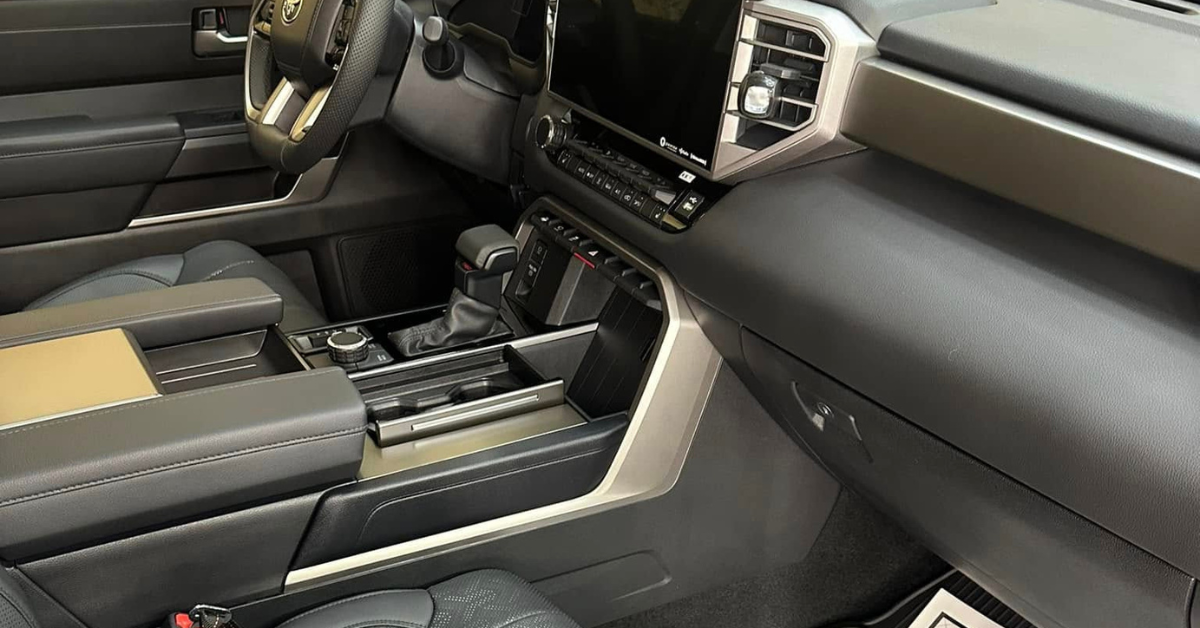

auto detailing service

Preserving Vehicle Value

Maintaining your vehicle's interior in pristine condition is essential for preserving its overall value. When you invest time and resources into interior auto detailing, you're not just enhancing your driving experience; you're actively contributing to your car's vehicle longevity and resale value. A clean, well-maintained interior creates an impression of quality and care, which can greatly influence a potential buyer's perception.


Regular detailing sessions remove dirt, stains, and odors that can accumulate over time, degrading the aesthetic appeal of your vehicle. This thorough cleaning process protects materials like leather and upholstery from wear and tear, guaranteeing they remain in excellent condition. By safeguarding these surfaces, you're effectively preventing depreciation that often comes with neglect.


Moreover, a detailed interior can help you identify minor issues before they escalate into costly repairs. For instance, cleaning your dashboard and console allows you to spot any cracks or damages early on. Addressing these concerns can save you money and maintain your vehicle's integrity.


When it comes time to sell or trade in, a well-maintained interior makes your vehicle more attractive to buyers, thereby increasing its resale value. Buyers are often willing to pay a premium for a car that shows signs of meticulous care.


Improving Driving Comfort

Improving your driving comfort involves focusing on enhanced air quality and reducing clutter within your vehicle.


By maintaining a clean interior and using high-quality air filters, you can greatly enhance the atmosphere inside your car.


Additionally, organizing your space minimizes stress and distractions, allowing for a more enjoyable driving experience.


Enhanced Air Quality

A gust of fresh air can greatly enhance your driving experience, making each journey more enjoyable and comfortable. When you invest in interior auto detailing, you're not just cleaning; you're optimizing the air quality inside your vehicle.


Dust, allergens, and lingering car odors can accumulate in the upholstery and other interior materials, creating an environment that's far from inviting. By meticulously detailing your car's interior, you'll effectively remove these contaminants, allowing fresh air to circulate freely.


Professional detailers utilize advanced techniques and specialized products that target even the most stubborn odors and hidden pollutants. This means you'll breathe easier, reducing distractions and enabling a more focused driving experience.


Moreover, regularly addressing air quality can prevent the buildup of harmful bacteria and mold, ensuring that every ride remains safe for you and your passengers. The result is a breathable, pleasant atmosphere that enhances your sense of belonging within your vehicle.


You deserve a space that not only looks good but feels good too. Prioritize improved air quality through interior auto detailing, and transform your driving comfort into a rejuvenating escape.


Reduced Clutter and Stress

Clutter in your vehicle can be more than just an eyesore; it can lead to stress and distractions while driving. When you're surrounded by disarray, it becomes harder to focus on the road, increasing your risk of accidents.


Effective clutter management is essential for creating a serene driving environment. By implementing systematic organization techniques, you can transform your vehicle into a space that promotes peace and clarity.


Interior auto detailing not only cleans but also helps you assess what you truly need in your car. As you eliminate unnecessary items, you'll find that your mental load lightens. This process provides stress relief, allowing you to enjoy your drive without the constant distraction of loose items strewn about.


A well-organized vehicle fosters a sense of belonging and pride, making you feel more connected to your driving experience.


Moreover, maintaining a clutter-free environment enhances your vehicle's functionality. You can access essential items without frustration, improving your overall comfort.


Ultimately, investing time in interior detailing and clutter management leads to a more enjoyable and safe driving experience—one where you can focus on what truly matters: the journey ahead.


Creating a Welcoming Atmosphere

Creating a welcoming atmosphere in your vehicle goes beyond mere cleanliness; it involves attention to detail that enhances comfort and enjoyment. By incorporating elements like ambient lighting and carefully chosen scent options, you can transform your car into a sanctuary of relaxation.


Ambient lighting plays an essential role in setting the mood. Installing adjustable LED lights can create a soft glow that not only improves visibility during nighttime drives but also adds a touch of elegance. Choose colors that resonate with you—warmer tones can foster a cozy environment, while cooler hues might evoke a sense of tranquility.


Scent options also contribute greatly to your vehicle's atmosphere. Consider using high-quality air fresheners or diffusers with essential oils that align with your personal preferences. Scents like lavender can promote relaxation, while citrus fragrances can invigorate and energize. The right scent can evoke fond memories or create a sense of belonging, making each journey more enjoyable.


Furthermore, the arrangement of personal items and the overall organization of your space contribute to a welcoming atmosphere. Keep essential items within reach but neatly stored, ensuring your car feels uncluttered and inviting.


Choosing the Right Service

When it comes to selecting an auto detailing service, many factors can influence your decision. First and foremost, consider the service options available to you. Different detailing companies offer a variety of packages, ranging from basic cleaning to thorough detailing that includes upholstery shampooing and leather conditioning.


You'll want to align the services provided with your specific needs—whether it's a quick refresh or a thorough deep clean.


Next, evaluate the pricing strategies of the detailing services you're considering. While it may be tempting to choose the least expensive option, remember that quality often correlates with price. A reputable service likely invests in high-quality products and trained staff, guaranteeing your vehicle receives the care it deserves.


Look for transparent pricing structures that clearly outline what each package includes, preventing any surprises when you receive the final bill.


Additionally, check reviews and testimonials to gauge customer satisfaction. A service with a strong reputation in your community can provide that sense of belonging you're looking for. Engaging with fellow car enthusiasts or local forums can yield insights into which services consistently deliver exceptional results.


Ultimately, choosing the right auto detailing service should be a balanced decision based on your needs, budget, and the quality of service. By taking the time to research your options, you'll guarantee a cleaner, more comfortable drive that reflects your pride in your vehicle.


Incorporating regular interior auto detailing into your vehicle maintenance routine is like giving your car a refreshing change. Not only does it enhance air quality and improve comfort, but it also protects your investment while creating a serene space for every journey. By choosing a professional service like
T.C. Detailing & Coatings that prioritizes thoroughness and attention to detail, you're ensuring that your driving experience remains as enjoyable as a Sunday drive in a vintage convertible.

By Taylor Clabaugh • November 12, 2026
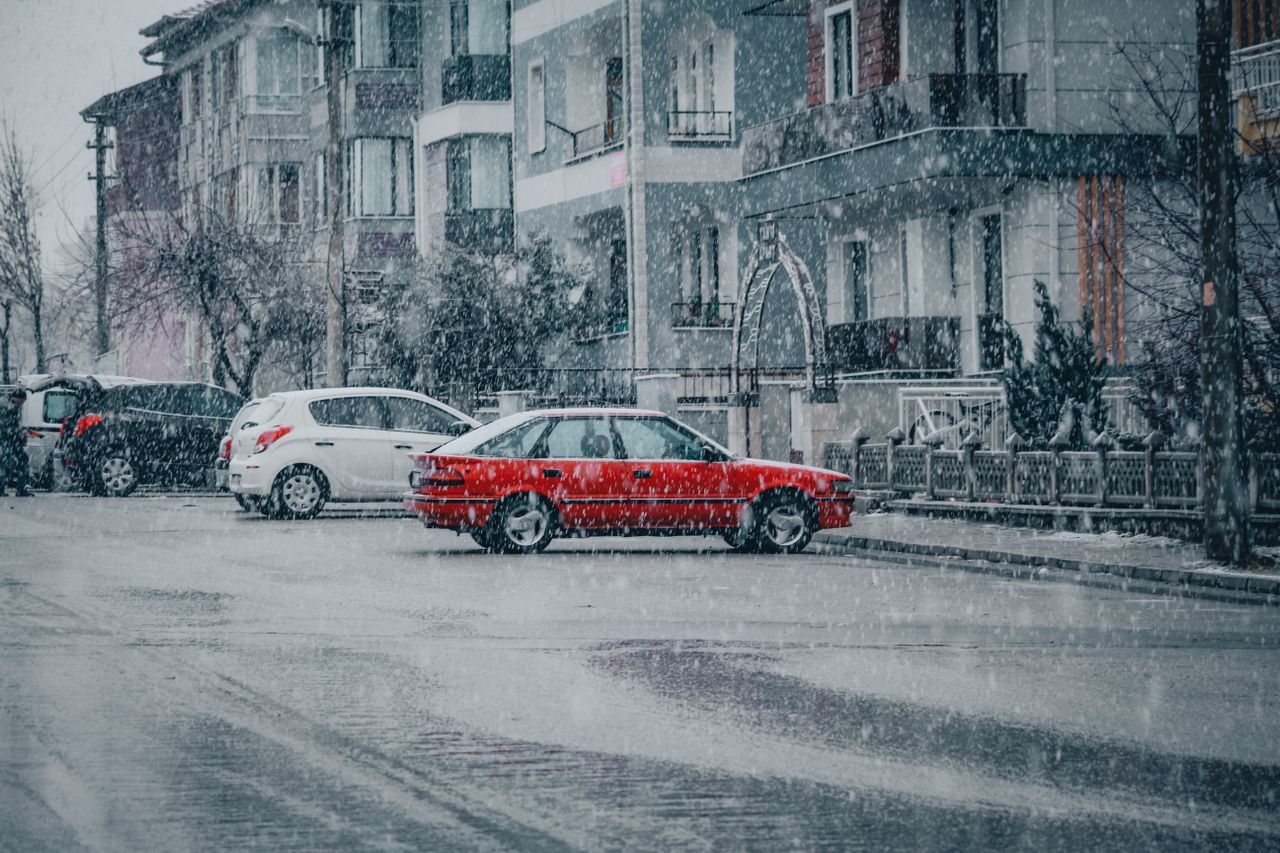
By late January, most cars around York look the same: a gray haze on the doors, white streaks along the rocker panels, and a film on the glass that comes back an hour after you wipe it. That film is dried road salt, and it does more than make your car look dirty. If you have been researching ‘PPF York PA’ , winter is the clearest reason to take it seriously. Salt does not wear down healthy paint on its own. It speeds up whatever is already going wrong, especially at chips and scratches. Here we explain where salt does its damage, which parts of your car take the worst of it, and where paint protection film fits. What Road Salt Actually Does to Your Car Pennsylvania treats its roads aggressively. PennDOT reports using 12.6 million gallons of salt brine in the 2021-22 season, and it spreads rock salt mixed with crushed limestone for traction. York County sees its share. FOX43 reported that county crews sprayed about 650,000 gallons of brine during the 2014-15 winter, more than any winter on record at that point. Salt water conducts electricity well, and that speeds up corrosion wherever bare metal is exposed. On intact paint, salt is mostly a cosmetic nuisance. On a chip, it is where rust begins. The Grit Matters as Much as the Salt The limestone mixed into the salt is abrasive. Tires throw it at your hood, front bumper, and lower doors. Every hit is a chance for a chip, and once a chip breaks through the clear coat, salt water sits in it through every freeze and thaw. Where Winter Damage Shows Up First Driving I-83 or Route 30 at highway speed puts the front of your car in the line of fire. These are the areas that suffer most: • Front bumper and hood, which take the most thrown grit • Rocker panels and lower doors, hit by spray from your own tires and the cars ahead • Fender lips and wheel arches, where wet salt collects and stays damp • Door edges, where paint is thinnest and salt crust builds up • Headlights, which pit from constant grit Most of this damage is invisible in January. You find it in April, when the salt is gone and the chips have turned into rust spots. Why Winter Washing Is Not Enough on Its Own Rinsing salt off matters. Do it every week or two, and after any storm that brings treated roads, when temperatures are above freezing so your doors and locks do not ice shut. Hand wash or use a touchless wash. Brush-style washes drag salty grit across your paint. But washing cleans the salt off. It cannot stop the next chip. That is the gap PPF closes. How Paint Protection Film Protects Against Salt and Grit Paint protection film is a clear urethane layer installed over your paint. When a stone hits, it hits the film, not your clear coat. Most chips never reach the paint, so salt water has nothing to get into. Light scratches in the film's surface can disappear with heat from the sun or warm water. Our PPF installation service covers the panel options in detail. Where We Recommend Film for York Winters For most daily drivers, we start with the front end: full hood, bumper, fenders, and mirrors. Rocker panels are worth adding if you commute on salted highways. A full wrap is an option, but it is not required to get real protection. What Film Does Not Do Film does not protect your undercarriage, and it does not replace washing. We tell you that up front. What it does is keep the most exposed painted panels from getting chipped in the first place. A ceramic coating over the film and the rest of your paint adds a slick surface, so salt residue releases more easily when you rinse. The Right Time to Install PPF Before Salt Season Film should go on before the first treated roads, not after the damage starts. If your paint already has swirl marks or last winter's chips, we address those first, because film seals in whatever is underneath it. We start every job with an honest look at your paint, so you know what it needs before we touch it. Get Ahead of Salt Season in York We serve York, PA, and the surrounding areas, including Hanover, Lancaster, and Harrisburg. Call us at (717) 479-0479 to schedule a PPF consultation or ask about coverage options for your vehicle. Visit our website to learn more about our services. Frequently Asked Questions Does road salt damage car paint? Salt rarely harms healthy paint by itself, but it speeds up corrosion wherever a chip or scratch exposes metal. The abrasive grit spread with it also causes the chips that give salt a way in. How do York, PA drivers install protection against road salt? Paint protection film absorbs the impact of thrown grit and stones, so chips are far less likely to form on the panels it covers. With fewer chips, there are fewer places for salt water to start corrosion. Is PPF worth it for a daily driver in York, PA? It is worth considering if you commute on I-83 or Route 30, where the front of your car takes steady grit and spray. Most daily drivers get the best value from coverage on the hood, bumper, fenders, and mirrors. When is the best time to get PPF in York PA? Before the salt season starts. Film installed ahead of the first treated roads protects your paint from the start of winter. Call us at (717) 479-0479 to check availability. How often should I wash my car in winter? Every week or two, and after storms that bring heavy road treatment, as long as temperatures are above freezing. Use a hand wash or touchless wash rather than a brush-style automatic wash. Does PPF cover the whole car or only some panels? Either. Many clients choose the front end, which takes the most damage. Full coverage is available if you want every painted panel protected. Do I still need ceramic coating if I have PPF? They do different jobs. Film absorbs physical impact. Ceramic coating adds a slick, easy-to-clean surface. Many owners use both, with coating applied over the film and the rest of the paint. About the Author Taylor Claubaugh | Owner, TC Detailing & Coatings York, PA | Automotive Detailing & Vehicle Care Expert Taylor Claubaugh is the owner of TC Detailing & Coatings, serving York, Pennsylvania and the surrounding areas with a strong commitment to quality and consistency. He built the business with a focus on doing things the right way, delivering detail-oriented work that helps maintain and enhance the condition of every vehicle. Taylor takes pride in ensuring each job is handled with care, precision, and a high standard from start to finish. With a hands-on approach, Taylor stays involved in the day-to-day operations to ensure every vehicle receives the attention it deserves. He focuses on creating a reliable experience through clear communication and dependable service. Through TC Detailing & Coatings, Taylor continues to provide automotive care that helps protect long-term value while delivering results clients can trust.
Paint protection film shielding a car from road debris on York, PA streets
By Taylor Clabaugh • October 14, 2026
Your car's paint is exposed to something damaging every single day. It does not matter how carefully you drive or how often you wash it. The roads around York PA have their own agenda, and without a physical barrier between your clear coat and the outside world, your finish absorbs every bit of it. PPF, short for paint protection film, is that barrier. It is a clear thermoplastic urethane film applied directly over your paint to absorb rock chips, road debris, chemical etching, and UV exposure before any of it reaches your vehicle's surface. One application, installed correctly, changes what your paint has to deal with every day. Here, we cover why surface protection matters in York, what PPF does that other products cannot, and how our installation process works. What York PA Roads Do to Your Paint York sits at the intersection of several high-traffic corridors. Route 30 and I-83 funnel commercial trucks, construction traffic, and commuters through the area year-round. That kind of road mix means constant exposure to loose gravel, road debris, and the kind of fine grit that pits clear coats over time. Winter makes it worse. PennDOT's salt and brine coat your lower panels, rocker areas, and front end with corrosive material during every drive. The front bumper and hood absorb chips and chemical contact that stack up season after season. Summer adds sap and organic fallout from the tree cover throughout York County onto paint already softened by heat. A hood in direct sun on a 90-degree day is more vulnerable to anything that lands on it. According to SAE International , road debris impact is the leading cause of cosmetic paint damage on passenger vehicles in the US, with highway and mixed-traffic roads contributing disproportionately to chip frequency. What PPF Does That Other Products Cannot Ceramic coating, wax, and sealants protect your paint chemically. What they cannot do is absorb physical impact. A rock chip at highway speed carries enough force to cut through any chemical coating and into your clear coat beneath it. PPF is a physical barrier, typically 6 to 8 mils thick, that sits between your paint and whatever hits it. It absorbs the impact that a coating cannot deflect. Self-Healing Properties Premium PPF products have a top coat layer with self-healing properties. Minor surface scratches in the film disappear with heat from the sun or warm water. The film's surface reforms and your paint underneath is never involved. UV Resistance PPF blocks UV at the film level before it reaches your clear coat. In York summers, your hood and roof absorb direct UV for hours at a time. The film slows the degradation that causes hazing and oxidation over years of exposure. Chemical Protection Bird droppings, tree sap, and road salt all contact the film surface first. Quality PPF resists chemical etching better than bare clear coat. A bird dropping in summer heat can etch an unprotected clear coat within hours. The film gives you a much wider window to rinse it off. You can see the full scope of what our PPF installation service covers, including the panel options we offer, on our service page. Where PPF Makes the Most Difference on Your Vehicle You do not have to wrap your entire vehicle to get meaningful protection. Most of our clients choose targeted coverage on the panels that face the highest risk. The areas that benefit most from PPF on York-area roads include: • Full hood, which takes the most rock chip and debris impact from highway driving • Front bumper, the first contact point for road spray, salt brine, and low-flying debris • Side mirrors, which are exposed to wind-driven grit from both directions • Rocker panels and door edges, where road spray and parking lot contact are constant • Headlights, which yellow and haze from UV exposure without protection Partial coverage on the front clip is what most daily drivers in our area choose. It protects the highest-risk surfaces at a more accessible cost. Our PPF Installation Process in York, PA Paint Inspection and Correction First PPF seals in whatever is on your paint at the time of installation. If your clear coat has swirl marks, oxidation, or water spot etching, the film goes on over all of it. Our process starts with a full paint inspection under controlled lighting. If your paint needs work before the film goes on, we handle paint correction first. Correction before film installation is the only way to ensure your paint looks right once the film is in place. Precise Film Cutting and Application We use software-cut film patterns sized to your specific vehicle's panels, giving you clean edges that sit flush with your trim lines. Imprecise cutting is the main reason PPF looks obvious or peels early. Cure Time and What to Expect After installation, your vehicle needs time for the film adhesive to fully bond to your paint. We walk you through what to avoid during that window and what a normal appearance looks like while the film settles. Slight haziness in the first few days is normal and resolves as the film cures. Give Your Paint the Protection York Roads Demand If your vehicle is a daily driver on York-area roads, your paint is absorbing damage every time you drive. PPF is the only product that puts a physical barrier between your clear coat and what the road sends at it. We serve York, PA, and surrounding areas including Hanover, Lancaster, and Harrisburg. Every installation starts with an honest inspection so you know exactly what your vehicle needs. Call us at (717) 479-0479 to schedule your PPF consultation or get a quote . We will walk you through your coverage options and put together a plan that fits your vehicle and your budget. Frequently Asked Questions What is PPF and how does it protect my car? PPF, or paint protection film, is a clear thermoplastic urethane film applied over your vehicle's painted surfaces. It absorbs physical impact from rock chips and road debris, resists chemical etching from bird droppings and road salt, and blocks UV radiation before it reaches your clear coat. It provides physical protection that ceramic coating and wax cannot offer. How long does PPF last on a vehicle in York, PA? Quality PPF installed correctly typically lasts five to ten years depending on the product tier, installation quality, and how the vehicle is maintained. Most professional-grade films come with a manufacturer warranty covering yellowing, cracking, and delamination. Proper washing and avoiding harsh chemicals extend the life of your film significantly. Does PPF need to go on before or after ceramic coating? PPF goes on first. Once the film is installed and cured, ceramic coating can be applied over the film surface and across the rest of the vehicle. The coating adds hydrophobic and chemical resistance properties on top of the physical protection the film already provides. Applying PPF over an existing ceramic coating is also possible but requires surface preparation specific to that situation. Will PPF change the look of my paint? Quality PPF is optically clear and nearly invisible once properly installed. High-gloss film enhances the depth of your paint's finish. Matte PPF is also available if you want to change or preserve a matte factory finish. Improperly installed film can show edges or haziness, which is why precise cutting and application matter. Can PPF be removed without damaging my paint? Yes. Professional-grade PPF is designed to be removable without damaging your clear coat when removed correctly. The adhesive is formulated to bond to paint without etching into it. Removal is typically done with heat to soften the adhesive, followed by careful peeling. We do not recommend DIY removal, as improper technique can pull a clear coat on older or already-compromised paint. Do I need paint correction before getting PPF installed in York, PA? If your paint has existing swirl marks, water spots, or oxidation, yes. PPF seals in whatever condition your paint is in at the time of installation. Correcting the paint first means the film goes on over a clean, restored surface. We inspect your paint before any installation and let you know honestly whether correction is needed. Should I get PPF or ceramic coating on my car? The two products serve different purposes. PPF provides physical impact protection that a coating cannot. Ceramic coating provides chemical resistance and hydrophobic properties across all painted surfaces. For the most complete protection, we recommend PPF on your highest-risk panels with ceramic coating applied over the film and across the rest of your vehicle. About the Author Taylor Claubaugh | Owner, TC Detailing & Coatings York, PA | Automotive Detailing & Vehicle Care Expert Taylor Claubaugh is the owner of TC Detailing & Coatings, serving York, Pennsylvania and the surrounding areas with a strong commitment to quality and consistency. He built the business with a focus on doing things the right way, delivering detail-oriented work that helps maintain and enhance the condition of every vehicle. Taylor takes pride in ensuring each job is handled with care, precision, and a high standard from start to finish. With a hands-on approach, Taylor stays involved in the day-to-day operations to ensure every vehicle receives the attention it deserves. He focuses on creating a reliable experience through clear communication and dependable service. Through TC Detailing & Coatings, Taylor continues to provide automotive care that helps protect long-term value while delivering results clients can trust.
By Taylor Clabaugh • September 13, 2026
Fall in south-central Pennsylvania arrives fast. One week the trees along Route 30 are still green, and the next you are dealing with falling leaves, morning frost, and the first round of road salt warnings from PennDOT. Your vehicle's paint, clear coat, and finish are about to face four months of the most damaging conditions of the year. The window to prepare your vehicle properly is narrow, and ceramic coating is the single most effective step you can take before winter arrives. It does more in one application than any combination of waxes and sprays can manage in a full season. Here we walk you through what fall prep should look like, why timing matters, and how our team gets your vehicle ready. What Winter Actually Does to Your Vehicle's Paint Road salt is the biggest threat your paint faces all year. PennDOT applies millions of gallons of brine and salt each winter, and that material sticks to every surface it contacts. Left on your paint and undercarriage without a barrier, it accelerates oxidation and breaks down your clear coat. According to the American Chemical Society , chloride-based road treatments are among the most chemically aggressive substances that regularly contact vehicle surfaces, and their corrosive effect on degraded clear coat is well documented. Beyond salt, your paint deals with: • Freeze-thaw cycles that expand water trapped in existing micro-scratches • Tree sap and decomposing leaves that drop in fall and etch if left sitting • Abrasive grit kicked up by other vehicles on wet roads • Ice scraper contact on unprotected glass and painted surfaces If your clear coat is already weakened from summer UV exposure, winter accelerates every problem that already exists. Why Fall Is the Right Time for Ceramic Coating Ceramic coating needs to bond to clean, contaminant-free paint to cure correctly. Fall gives us the temperature range and conditions where that bonding happens properly. The coating cures best between 50 and 80 degrees Fahrenheit, which is exactly what October and early November in York, PA deliver before temperatures drop too far. Once temperatures drop below that range consistently, coating application becomes harder to control and the cure less reliable. Getting your ceramic coating applied before winter means the protection is in place when your vehicle needs it most. You go into salt season protected, not recovering from it. What Ceramic Coating Does That Wax Cannot Wax sits on top of your clear coat and wears off. A wash or two in winter conditions and it is gone. Ceramic coating bonds chemically to your clear coat and becomes part of the surface. It does not wash off, and it does not break down from road salt contact the way wax does. What our ceramic coating gives your vehicle going into winter: • A hydrophobic surface that causes water, salt spray, and road grime to bead and sheet off • Chemical resistance against the chloride-based treatments on Pennsylvania roads • UV protection that carries your finish through to spring without oxidation • A surface that is easier to wash and requires less effort to keep clean all season You can see what our ceramic coating service includes on our service page. The Right Order: Correction Before Coating Ceramic coating locks in whatever condition your paint is in at the time of application. If your clear coat has summer swirl marks, water spots, or oxidation, the coating seals those in place. Our fall prep process starts with a thorough inspection of your paint under controlled lighting. If we find damage that needs to be addressed, we complete the paint correction first. Then the coating goes on over a clean, corrected surface. If your vehicle came through summer with significant UV damage or oxidation, our paint correction service handles that before we apply any protective layer. Correction first, coating second. That sequence is the only one that makes sense. What Our Fall Prep Inspection Covers When you bring your vehicle in before winter, here is what our team checks: • Clear coat condition and correction need across all panels • Existing water spots or etching from summer that correction can address • Paint protection film condition on any panels where it was previously installed • Wheel and undercarriage condition that may need attention before salt season We give you a straight answer. No upselling, no pressure. Other Fall Prep Steps Worth Doing Paint Protection Film on High-Impact Zones If your vehicle does not already have paint protection film on the hood, front bumper, and mirrors, fall is a good time to add it. These panels take the most road debris impact during winter driving. PPF gives those surfaces a physical barrier that ceramic coating alone cannot provide. Decontamination Wash Before Any Coating Before we apply any ceramic coating, your vehicle goes through a full decontamination process. This includes a full wash, iron fallout removal, and a clay bar treatment to pull bonded contaminants from the surface. Your paint has to be completely clean before the coating bonds. Get Your Vehicle Ready Before the First Frost The time between now and York's first consistent freeze is shorter than most people think. We serve York, PA and the surrounding areas including Hanover, Lancaster, and Harrisburg. Our fall prep schedule fills up in October, so booking early gives you the best chance of getting your vehicle protected before conditions change. Call us at (717) 479-0479 to schedule your fall prep appointment or ask about our ceramic coating packages. We will inspect your vehicle, tell you exactly what it needs, and get it ready for whatever this winter brings. Frequently Asked Questions Is fall a good time to get ceramic coating applied? Yes. Fall is one of the best times to apply ceramic coating because temperatures in the 50 to 80 degree range support proper bonding and curing. More importantly, getting your coating applied before winter means your vehicle enters salt season already protected rather than reacting to damage after the fact. How long does ceramic coating last through winter conditions? A professionally applied ceramic coating typically lasts two to five years or longer depending on the product tier and how the vehicle is maintained. It is designed to withstand road salt, chemical exposure, and the freeze-thaw conditions of a Pennsylvania winter without breaking down the way wax does. Does my car need paint correction before ceramic coating? If your paint has swirl marks, oxidation, or water spot etching, yes. Ceramic coating bonds to whatever surface it is applied to. Correcting your paint first means the coating locks in a clean, restored finish rather than sealing existing damage in place. Our inspection tells you whether correction is needed before we proceed. Can ceramic coating be applied in cold weather? Application becomes unreliable below 50 degrees Fahrenheit. The coating does not bond or cure as well in cold conditions, which affects its durability and appearance. This is one of the main reasons fall, specifically October and early November in the York area, is the ideal window before winter sets in. What does ceramic coating protect against in winter? Our ceramic coating creates a chemical barrier that resists road salt, brine, and de-icing treatments. It makes your surface hydrophobic so water and salt spray bead off rather than sitting on the paint. It also resists the UV exposure that continues even in winter months, protecting your clear coat through the full season. Should I get paint protection film and ceramic coating before winter? Using both gives your vehicle the most complete protection available. Paint protection film covers your highest-impact panels physically, absorbing rock chips and road debris that a coating cannot stop. Ceramic coating covers the rest of the vehicle with chemical resistance and hydrophobic properties. Together they give your paint complete coverage going into winter. How do I maintain a ceramic-coated vehicle through winter? Regular washing is the most important step. Salt and road grime should not be allowed to sit on the coating for extended periods. A pH-neutral car wash soap and a clean microfiber mitt are all you need. Avoid brush-style automatic washes. The coating makes maintenance easier because contaminants release more readily from the surface, so a proper hand wash takes less effort than it would on an unprotected vehicle. About the Author Taylor Claubaugh | Owner, TC Detailing & Coatings York, PA | Automotive Detailing & Vehicle Care Expert Taylor Claubaugh is the owner of TC Detailing & Coatings, serving York, Pennsylvania and the surrounding areas with a strong commitment to quality and consistency. He built the business with a focus on doing things the right way, delivering detail-oriented work that helps maintain and enhance the condition of every vehicle. Taylor takes pride in ensuring each job is handled with care, precision, and a high standard from start to finish. With a hands-on approach, Taylor stays involved in the day-to-day operations to ensure every vehicle receives the attention it deserves. He focuses on creating a reliable experience through clear communication and dependable service. Through TC Detailing & Coatings, Taylor continues to provide automotive care that helps protect long-term value while delivering results clients can trust.
Yellow Audi vehicle showcasing ceramic coating benefits and paint protection.
By Taylor Clabaugh • August 7, 2026
Protect your vehicle's paint in York, PA, with T.C. Detailing. Discover how our professional ceramic coatings reduce maintenance and prevent damage. Call today.
By Taylor Clabaugh • July 20, 2026
Protect your car's paint from summer heat & UV damage. T.C. Detailing offers paint correction, ceramic coating & PPF. Call for an inspection.
By Taylor Clabaugh • June 5, 2026
Restore your car's shine with T.C. Detailing's paint correction & ceramic coating in Hanover, PA. Protect your investment. Call (717) 479-0479.
Red car paint with swirl marks and fine scratches under direct sunlight.
May 8, 2026
Prevent fine car scratches in Hanover, PA with T.C. Detailing. Learn causes, prevention, and ceramic coating solutions. Call (717) 479-0479.
By Taylor Clabaugh • April 1, 2026
Keep your car looking fresh with T.C. Detailing in York, PA! Get 6 tips to maintain your car's appearance. Call (717) 479-0479.
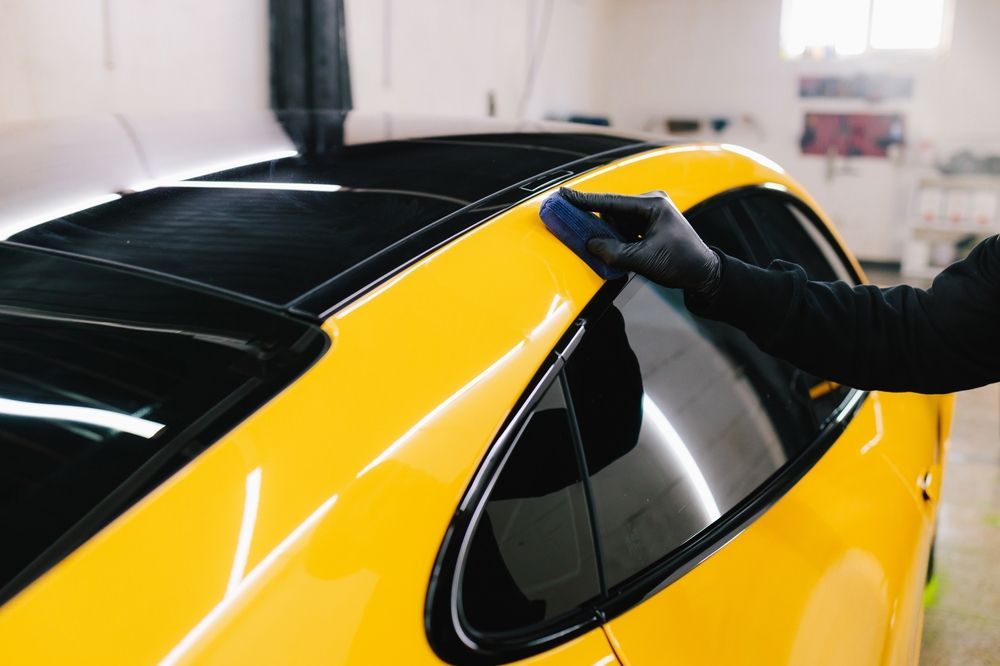
Yellow car receiving ceramic coating protection in detailing shop
March 9, 2026
Ceramic coating near York, PA? T.C. Detailing provides professional ceramic coating services to protect your vehicle. Call (717) 479-0479.
ceramic coating
By Taylor Clabaugh • February 19, 2026
Protect your vehicle with ceramic coating in York, PA. T.C. Detailing provides long-term protection and shine. Contact us!